
A China OEM/ODM partner for a first order of 50–100 units, with no minimum order.
Anvol, Inc., a Delaware company with engineers in China, develops your custom electronic product and builds the first order with no minimum order quantity: 1 prototype, 2 to 5 samples, then a pilot of 50 or 100 units. At 100 units you usually do not need an injection mold: we 3D print, CNC machine or vacuum cast the enclosure, and in our engineers' worked example a $4,000 mold plus $2 a part only beats a $15 printed or cast enclosure above about 300 units. Reference figures from our own builds: a 24-channel logic analyzer, about 50 units at ~$15 parts each plus $500 development; a swing-arm tracked robot, 1 unit at $6,000 plus $30,000 development. We delivered a small batch of lidar line-following cars for a client in about one month. You sign with a US company and pay in USD.
By Zisheng Li, engineering lead, and Chris Wu, founder · Updated
Is there a minimum order? No: 1, 2 to 5 or 50 to 100 units
- 1 unit
- Yes. One working prototype is the usual start; our tracked robot reference is a single unit.
- 2 to 5 units
- Yes. Samples for testing, users or investors, built the same way as the first one.
- 50 to 100 units
- A pilot batch: the same parts and process, every unit tested, a batch record and a packed shipment. Our logic analyzer reference is about 50 units. Small batches → Have a working prototype and need 100 to 2,000 units? From a working prototype to a first production batch →
- What quantity changes
- The price per unit. Each machine board-assembly run pays a fixed setup charge, so 5 units cost more each than 50. In batches of 5 to 20, parts are about 40% of unit cost, PCB and assembly about 40%, enclosure about 15%, final assembly and test about 5%. Costs →
- Why factories ask for an MOQ
- A production line and a mold are set up for one product and pay back over thousands of units. We order from those lines per run, and our engineers handle the small batch.
100 units: do you need an injection mold?
- Usually not
- Our standard small-batch enclosures are 3D printed; a custom mold is quoted separately when you want one.
- 3D printing
- Printed straight from the CAD model. No mold, so changes are cheap while the design still moves.
- CNC machining
- Cut from plastic or metal stock. Precise, and the way to a metal enclosure; no mold.
- Vacuum casting
- A silicone mold copies a master part in polyurethane resin. For small runs and looks-like units; the silicone mold wears out after a limited number of parts.
- Injection molding
- A steel or aluminium mold made once, then cheap parts. Worth it when the design is stable and the volume is there; you own the mold.
| Enclosures | Printed or cast, $15 each | $4,000 mold + $2 each |
|---|---|---|
| 100 | $1,500 | $4,200 |
| 300 | $4,500 | $4,600 |
| 500 | $7,500 | $5,000 |
| 1,000 | $15,000 | $6,000 |
Worked example from our engineers, not a quote: the line crosses at about 308 units. Mold revisions, trial shots, scrap and finish move it. The full cost FAQ →
OEM or ODM for a first order of 50 to 100 units
- You have the design
- We source the parts, build and test it, and run the batch: the OEM part.
- You have a brief or a prototype
- We do the electronics, firmware and enclosure engineering first, then build it: the ODM part.
- Most small teams
- Need some of each. We scope it per project and write it down before work starts.
What you get back
- Design and production files for your product
- Firmware source and the factory test program
- Test checklist and test report
- Tested units, a batch record and a packed shipment
Why not go straight to a factory
- Files
- You don’t need a complete specification, a large order or a production-ready design to get started.
- One team
- The engineers who fix the design are the ones who order and check the build.
- Paperwork
- NDA before we open any file, a written scope in English, payment in USD as set out in your agreement and invoice, a reply within 12 hours.
What it costs
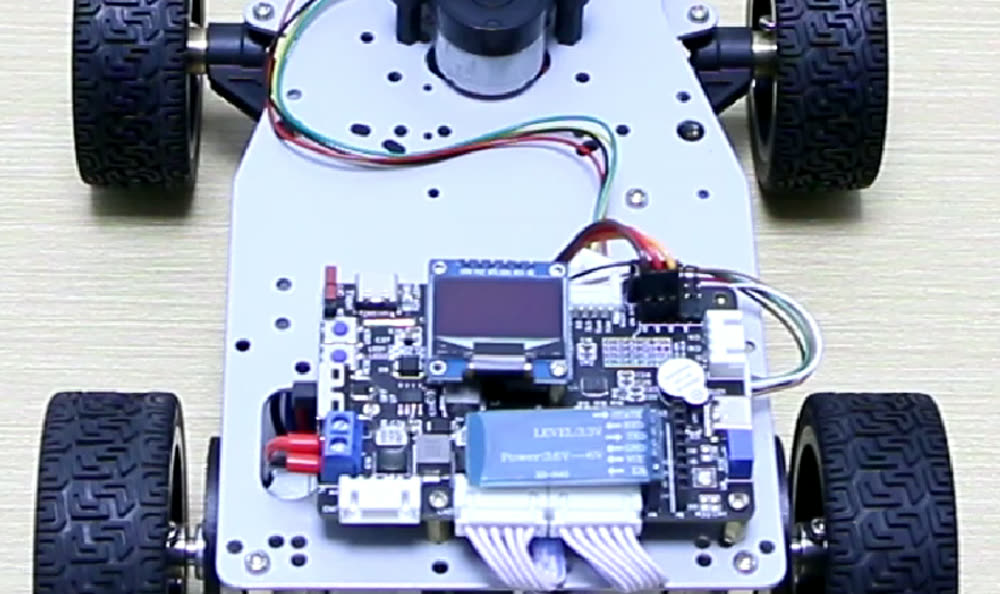
Lidar line-following car
Small batch delivered: custom control board, firmware and chassis.
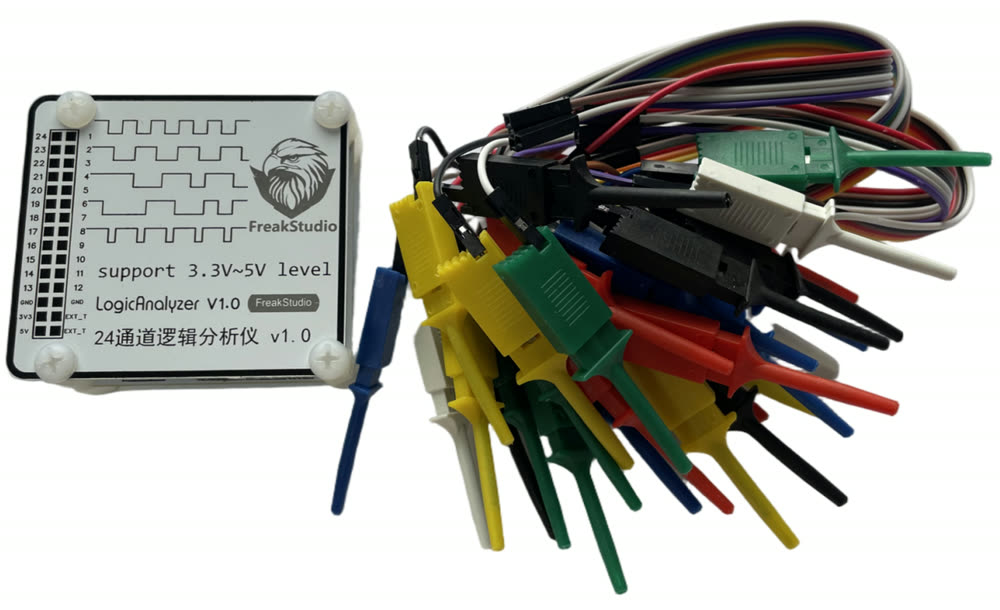
24-channel logic analyzer
Reference figures: about 50 units at a ~$15 parts cost each, plus $500 development.
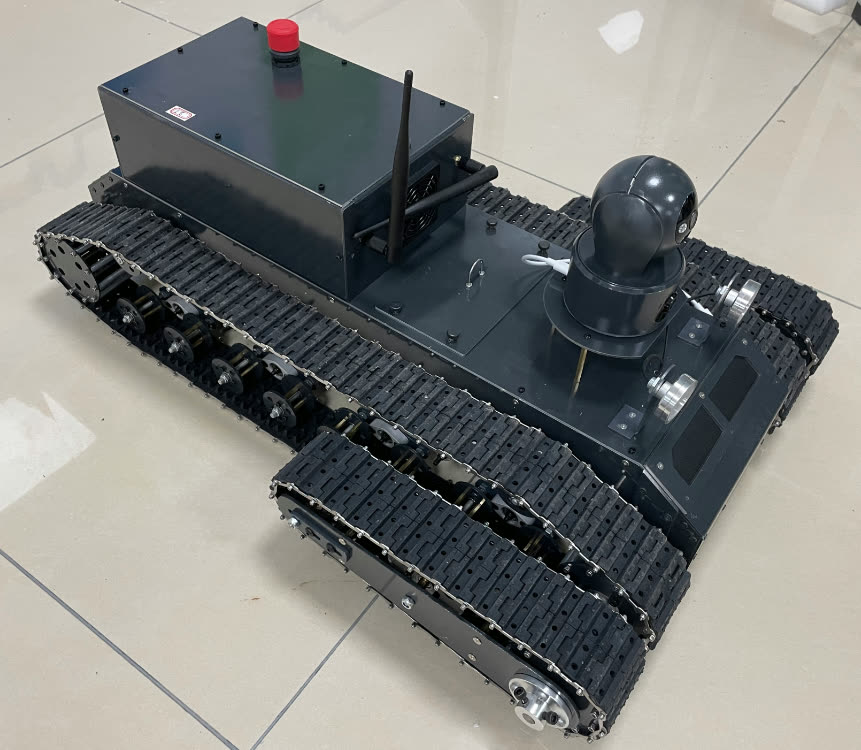
Swing-arm tracked robot
Reference figures: 1 unit at $6,000, plus $30,000 development.
Totals exclude certification (FCC/CE, quoted separately) and shipping. Reference figures, not fixed prices. Costs →
Who does the work
- Zisheng Li, engineering lead
- Embedded systems. 20+ hardware products built, including the logic analyzer, tracked robot and line-following car above. Named inventor on 8 granted patents.
- Our engineering team
- 200+ documented open-source hardware projects under FreakStudio, alongside electronics, firmware and mechanical work for clients. Verifiable work →
- Where it is built
- Electronics benches where our engineers build and debug, and the tool rooms, board and assembly lines we order from. You see each process, not the factory's name. Factories →
How it starts
- Send what you have through the project form, by email or on WhatsApp.
- If you ask, we send the NDA first. We sign it before we open any file.
- We reply within 12 hours, list what is missing and suggest the next build step.
- You get a written scope with price and date before any work starts. Major scope changes are re-quoted before work continues.
Robots: the FCC rule on foreign-produced devices
- What it says
- Since July 28, 2026, new models of foreign-produced "advanced robotic devices" (mobile robots over 4.4 lb with sensors, a network link and control software) cannot get an FCC authorization, so they cannot be imported, marketed or sold in the US without a Department of War conditional approval (FCC Public Notice DA 26-786, FCC FAQ).
- Where it is made decides it
- The test is where the robot is produced, not where the company is registered. Anvol, Inc. is a Delaware company, but a robot batch built in China is foreign-produced. Small batches imported only for product development or testing, and not marketed or sold, are allowed. Details: FCC and robots. This is not legal advice.
Questions
No. We build 1 prototype, 2 to 5 samples or a pilot of 50 to 100 units. Quantity changes the price per unit, not whether we take the order.
Usually not. Our standard small-batch enclosures are 3D printed; CNC machining and vacuum casting are the other options. In our engineers' worked example a $4,000 mold plus $2 a part only beats a $15 printed or cast enclosure above about 300 units. A custom mold is quoted separately when you want one.
You do. We sign an NDA before we open any file. The project-specific design files, drawings and tooling belong to you; our general tools and libraries stay ours.
Yes, each for its own quantity. Our priced reference builds stop at about 50 units, so a 100- or 1,000-unit price follows your BOM and test plan.
No. Certification testing (FCC/CE) is done by a test lab and quoted separately when a product needs it.