
How a project moves.
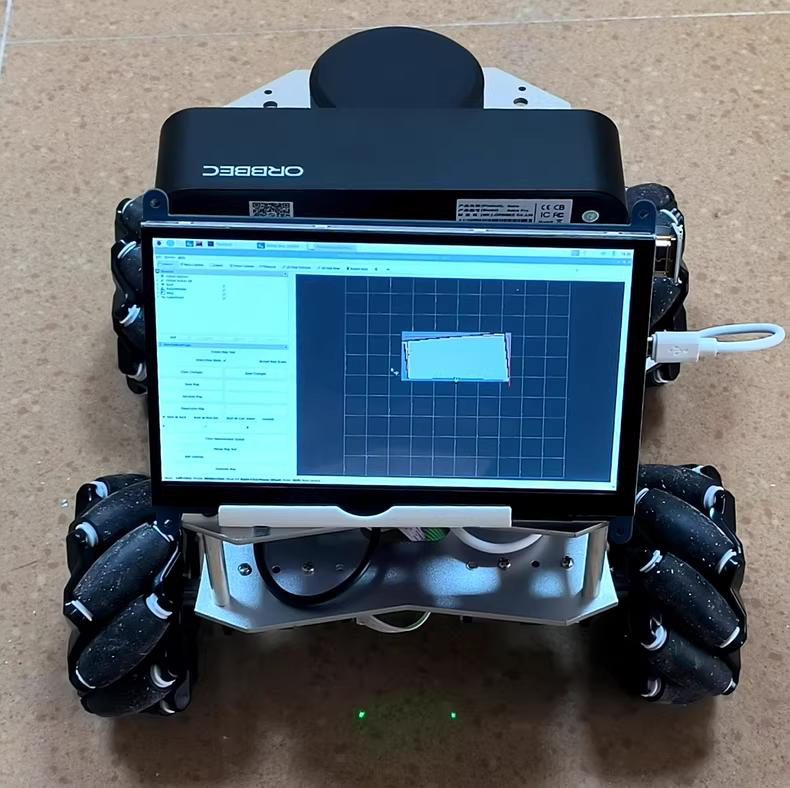
Seven steps at Anvol, from first message to repeat production. The brief, the NDA and the quick feasibility check cost nothing; a deposit starts the work once you sign the written scope with Anvol, Inc. in USD, milestone payments follow through the prototype and pilot batch, and production is paid per batch. The delivered lidar-car batch took about one month of development. Zisheng Li, our engineering lead, owns every step and is your contact throughout. You confirm each step before the next one starts.
By Zisheng Li, engineering lead, and Chris Wu, founder
1. Project brief
- You provide
- A description, files or photos, quantity and target date.
- Anvol does
- Reads it and asks for what is missing.
- You get
- A reply on WhatsApp or email.
- Payment
- None.
- Typical time
- Reply within 12 hours.
2. NDA and information review
- You provide
- Your files and any samples.
- Anvol does
- Signs an NDA before opening any file, then reviews everything you sent.
- You get
- A list of missing information.
- Payment
- None.
- Typical time
- Starts once the NDA is signed; the list of missing information comes with the review.
3. Feasibility and risk assessment
- Anvol does
- Checks architecture, part availability, mechanical fit and how the product will be tested.
- You get
- A risk list and the recommended next step. Complex projects can take a detailed engineering review first.
- Payment
- None for the quick check. A detailed review is scoped separately.
- Typical time
- Quick check in the first replies; a detailed engineering review is scheduled in its own quote.
4. Scope, estimate and proposal
- You get
- A written scope: deliverables, acceptance criteria and price.
- You confirm
- Scope and price, then sign with Anvol, Inc., our US entity, in USD. Your contract is not with a factory.
- Payment
- A deposit starts the work.
- Typical time
- Written once the open questions are answered.
5. Engineering and prototype build
- Anvol does
- PCB, firmware, enclosure and sourcing, built into the first units.
- You get
- Design files and working prototypes.
- You confirm
- The prototype, or the changes it needs.
- Payment
- Milestone payment as set in the contract.
- Typical time
- Set in the written scope. Past builds took 3 days to 2 months of development.
6. Validation and pilot batch
- Anvol does
- Tests with you, revises, then builds a pilot batch.
- You get
- Test checklist and report, pilot units.
- You confirm
- The design is approved before any larger run.
- Payment
- Milestone payment as set in the contract.
- Typical time
- Set in the written scope, per milestone.
7. Repeat production and handover
- Anvol does
- Purchasing, assembly, inspection and packaging on partner lines.
- You get
- Tested units and the production files for your design.
- You confirm
- Acceptance of each batch.
- Payment
- Per batch.
- Typical time
- Set per batch in the written scope.
Prototype, EVT, DVT, PVT: where they sit
- Proof of concept
- Tests the one risky part (a sensor, an algorithm) on the bench. Part of step 3 when it is needed.
- Prototype
- Proves the idea works in real hardware: step 5. Good enough for demos, user tests and fundraising, if you say what is still unfinished. Not ready to sell.
- EVT
- Engineering validation: the real design against its key specs (power, heat, signals, firmware). On small devices it is usually inside step 5.
- DVT
- Design validation: the near-final product against reliability tests and the rules of the markets it will be sold in. Molds are often made here. Step 6.
- PVT
- Production validation: the factory builds a pilot batch the same way every time, with fixtures, work instructions and first-pass yield. Step 6.
- MP
- Mass production of the approved version: step 7. Reorders do not pay for design or molds again unless something changes.
- Skipping stages
- Simple products can combine them. Cut repeated work, not the evidence the product needs. What each stage costs →
Already have a PCB, CAD or firmware?
- No restart
- We review what you have and quote only the gap: what works, what needs checking, what must change.
- Send
- Feature list, schematics and PCB files, BOM, firmware source, CAD, photos or video of the hardware, known bugs and test results, target quantity, markets and date.
Ask any supplier before you sign
- Stage
- Which stage does this quote deliver, and what is left before I can sell?
- Units and tests
- How many units do I get, and which acceptance tests do they pass?
- Line items
- Are development, parts, assembly, molds, certification and shipping separate?
- Changes
- How many revisions are included, and what counts as a change?
- Ownership
- Which source files, licenses, molds and fixtures are mine?
How long until a prototype is in your hands
- Simple devices
- 3 to 15 days of development on our builds: a logic analyzer, an LED board, a smart planter, a desk AI companion.
- Small robots
- 10 to 30 days: a voice-controlled robot dog, a hexapod, a ROS 2 robot, the lidar car.
- Large robots and underwater vehicles
- One to two months.
- Not included
- Shipping, usually arranged by you once the units leave the factory.
- Note
- These come from our project sheets, not a promise for your build. Your written scope gives the date. All 18 builds →
Questions
Project brief, NDA and review of what you sent, a feasibility and risk check, a written scope with price, engineering and the prototype build, validation and a pilot batch, then repeat production. Simple products can combine stages, and you can start at any of them.
Nothing for the brief, the NDA and the quick feasibility check. A deposit starts the work once you sign the written scope; milestone payments follow as set in the contract; production is paid per batch. A detailed engineering review, when a complex project needs one, is scoped and priced on its own.
Yes. There is no minimum order: start with one prototype, confirm it, and only then decide on a pilot batch. Pilot and repeat batches are quoted separately, for their own quantity.
Anvol, Inc., our US entity (a Delaware corporation), in USD. Your contract is not with a factory. Who you contract with and how to pay →
We reply within 12 hours. Prototype development took 3 days to 2 months on our builds; the pilot batch and production batches are dated per milestone in the written scope. All 18 builds by development time →
Ownership and changes
- Your design
- You own the project-specific design files, drawings and tooling.
- Our tools
- Anvol's general tools and libraries stay ours; third-party and open-source parts keep their licenses.
- Part substitutions
- Need your approval.
- Scope changes
- Major changes are re-quoted, with a new timeline, before work continues.